

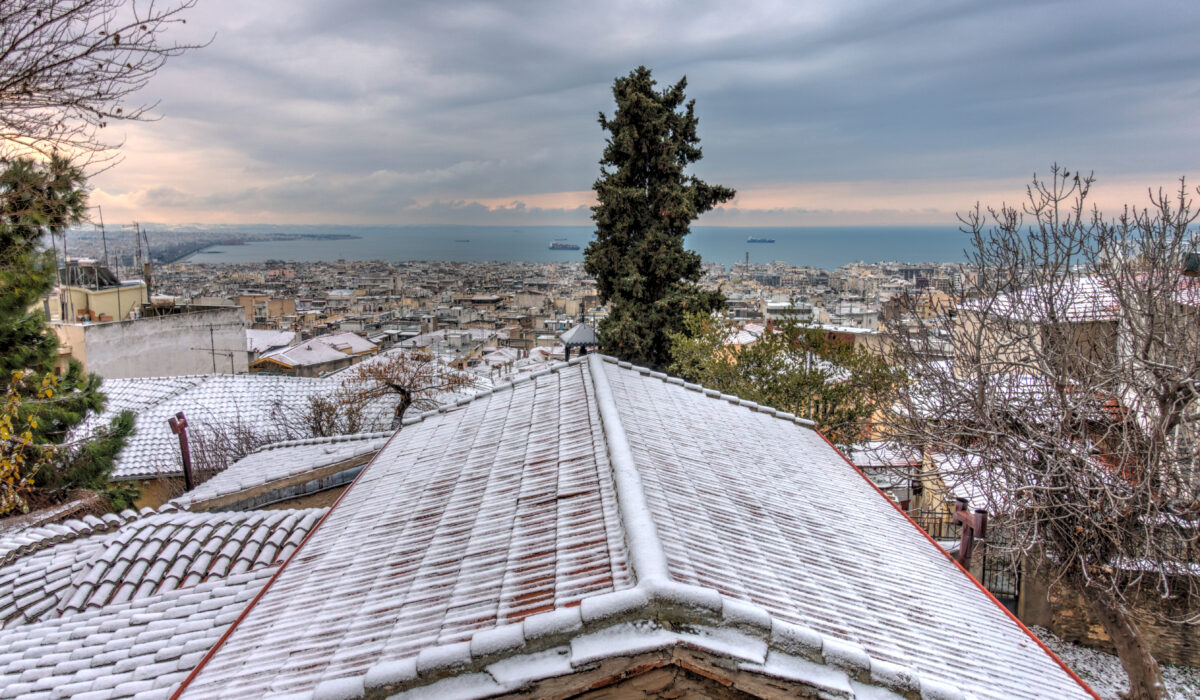
Winter in Vermont is no joke. As a Vermont homeowner, you know the challenges snow, ice, and sub-zero temperatures can bring—not just to your driveway or furnace, but especially to your roof. Winter roof maintenance is your first line of defense against storm damage. And when the snow piles up, your roof takes the brunt of it.
So how do you make sure your roof is ready to take on the long, harsh months ahead? Below are 10 essential winter roof maintenance tips to keep your home protected, your family warm, and your spring repairs minimal.
1. Conduct a Roof Inspection Before the First Snowfall
The best time to fix a problem is before it turns into an emergency. You can monitor your roof’s condition from the ground to catch problems early. Look for any issues like:
- Missing or cracked shingles
- Loose flashing
- Damaged chimney caps
- Weak spots in decking or underlayment
If there are areas you can’t see safely, it may be time to call in a professional roofing contractor.
2. Clean Your Gutters and Downspouts
Clogged gutters can lead to ice dams, a serious winter issue. When water can’t flow freely through your gutters, it freezes at the edge of the roof. This ice buildup can force melting snow back under your shingles and into your attic.
Before winter hits:
- Remove leaves, twigs, and debris
- Ensure downspouts direct water away from your foundation
- Consider installing gutter guards if you deal with heavy fall foliage
3. Trim Overhanging Tree Branches
Snow-laden branches can crack and fall onto your roof, damaging shingles and even puncturing the surface. Prevent this risk by trimming back any branches that hang over your home.
This step is especially important before winter storms, which can bring high winds and heavy snow.
4. Check for Proper Attic Insulation and Ventilation
Your attic plays a crucial role in winter roof maintenance. Poor insulation allows warm air to rise and melt snow unevenly on your roof. This can lead to dangerous ice dams.
A well-insulated and ventilated attic:
- Prevents warm air from escaping
- Maintains a consistent roof temperature
- Reduces the chance of condensation and mold
5. Seal Around Roof Penetrations
Roof features like chimneys, skylights, and vent pipes are vulnerable entry points for water. Use roofing caulk or sealant to reinforce these areas before snow and ice arrive.
Don’t forget to check:
- Flashing around chimneys
- Seals around vent pipes
- Gaskets or caulking around skylights
6. Remove Snow Buildup Safely
After a major storm, one of the biggest concerns for a Vermont homeowner is how much snow is too much. In general, more than 6 inches of wet, heavy snow can strain your roof, especially if it’s older.
To clear snow:
- Use a roof rake with a long extension handle
- Never climb on an icy roof yourself
- Contact a professional if ice buildup is significant or difficult to reach
7. Inspect and Maintain Flashing
Flashing—the thin metal strips that seal seams and edges—can become loose or corroded over time. Damaged flashing is a common source of winter storm damage, allowing water to seep underneath shingles.
Make sure flashing is:
- Secure and properly sealed
- Free of rust or cracks
- Repaired or replaced as needed
8. Protect Skylights and Flat Roof Areas
If your home has a flat roof or skylights, it’s especially important to keep an eye on water pooling or snow buildup. These areas are more prone to leaks.
Tips for protecting these areas:
- Regularly remove snow using non-abrasive tools
- Ensure proper drainage systems are in place
- Check for cracks in seals and glazing
9. Install Heat Cables Where Needed
In particularly ice-prone areas, heat cables can be a valuable preventive measure. These electric cables melt snow and ice in specific zones, such as:
- Along roof edges
- Inside gutters and downspouts
- Near valleys or overhangs
They can help reduce ice dams and protect vulnerable parts of your roof.
10. Know When to Call a Professional
DIY winter prep can only go so far. If you notice signs of stress on your roof—like sagging, interior leaks, or visible damage—call a professional roofer immediately. Vermont winters are relentless, and delays can lead to costly repairs or even a full roof replacement.
A licensed roofing contractor can:
- Evaluate the overall condition of your roof
- Offer solutions tailored to your home’s design and age
- Handle repairs safely and correctly
- Conduct a full roof replacement if necessary
Proactive Winter Roof Maintenance Saves Money and Headaches
Don’t wait for the first storm of the season to take action. With these 10 winter roof maintenance tips, you can protect your roof, avoid emergency repairs, and ensure your home stays safe and warm all season long.
If you’re unsure where to start, a local roofing contractor can provide expert advice tailored to your home and Vermont’s tough winters. Proactive steps now can help prevent winter storm damage later, and save you thousands in spring repairs.