

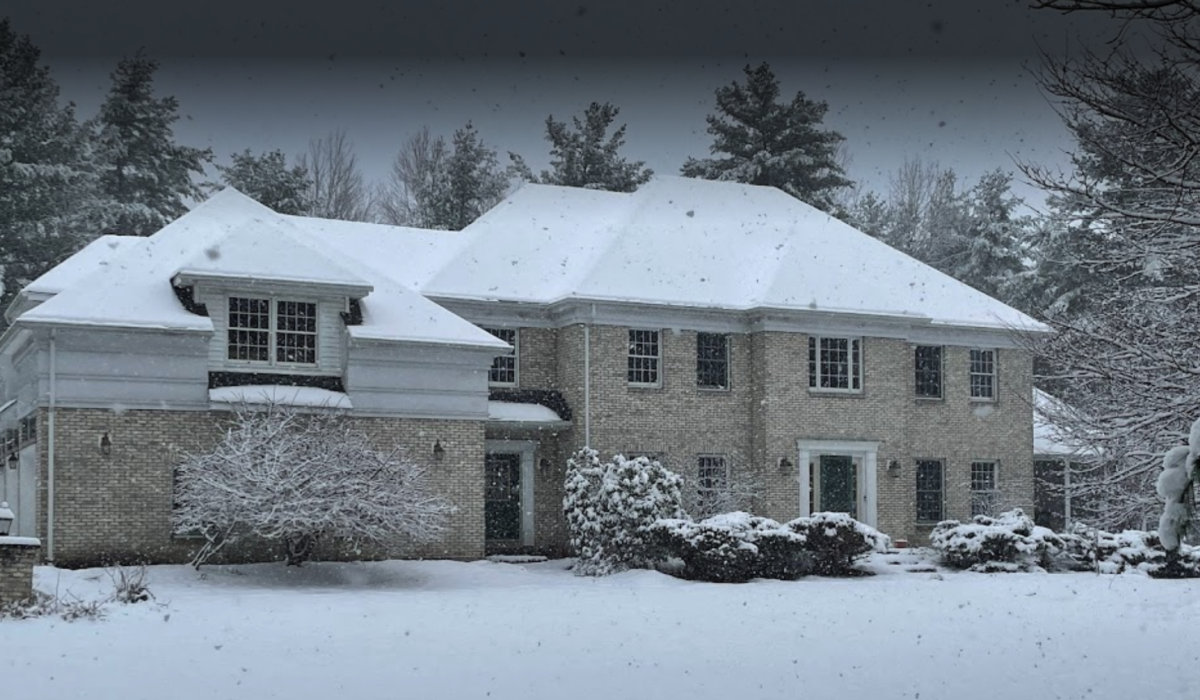
Winters in Vermont are beautiful, but brutal. While the snow creates a postcard-worthy landscape, it can wreak havoc on your home’s exterior, especially the roof. If your home has asphalt shingles, you may be wondering how they stand up to heavy snowstorms and fluctuating temperatures.
This guide breaks down the effects of winter weather on asphalt shingles, what warning signs to look for, and how to protect your roof with seasonal maintenance and timely repairs.
Why Asphalt Shingles Are So Common in Cold Climates
Asphalt shingles remain the most popular residential roofing material in the U.S. because they’re cost-effective, relatively durable, and visually versatile. Many homeowners in cold-weather regions still choose them because they can last 15 to 30 years when properly installed and maintained.
High-quality shingles are designed to withstand rain, moderate wind, and snow, but that doesn’t mean they’re invincible in a Vermont winter. Snow loads, ice dams, and freeze-thaw cycles all create specific risks.
What Snow Storms Can Do to Your Roof
Snow Load and Structural Stress
When snow piles up, the weight on your roof can quickly become significant. One cubic foot of wet snow can weigh 15 to 20 pounds. Over time, this weight can lead to sagging, cracking, or leaks, especially if your shingles are already aging or the roof structure isn’t properly reinforced.
It’s smart to use a roof rake to clear snow buildup after major storms, particularly near the edges where ice is likely to form. Removing excess snow can help reduce pressure and prevent long-term damage.
Ice Dams and Water Infiltration
Ice dams are a top concern during long stretches of cold weather. When warm air in your attic melts snow on the roof, the water runs down and refreezes at the eaves, creating a dam. As more snow melts and has nowhere to go, it seeps under the shingles and into the roof deck.
Even though asphalt shingles are water-resistant, they can’t stop water that’s forced underneath them. Once water finds its way in, it can lead to rot, mold, and insulation damage. Improving attic ventilation, sealing leaks, and installing an ice and water shield at eaves can help prevent this.
Freeze-Thaw Cycles
Winter weather often brings temperature swings. As snow melts during the day and refreezes at night, moisture can slip beneath the shingles and expand as it turns to ice. This cycle can loosen, curl, or crack shingles, especially older ones.
Routine spring inspections can catch early signs of this damage. Repairing or replacing affected shingles quickly can prevent more extensive issues.
Wind Damage During Winter Storms
Many winter storms come with high winds that can lift or dislodge shingles, especially on roof ridges or at the edges. Once shingles are lifted, it’s easier for snow and water to get underneath and compromise the roofing system.
Homeowners should look for missing or uneven shingles after a storm. If left unaddressed, these gaps can lead to leaks or structural damage.
Red Flags to Watch for After a Snowstorm
Not all roof damage is immediately obvious. Keep an eye out for signs like water stains on your ceilings, unexplained drafts, or damp insulation in your attic. You may also notice excessive granules in your gutters—a common sign of aging shingles.
Other warning signs include visible shingle damage, ice dam formation, or mold growth. If you notice any of these, it’s best to contact a professional roofing contractor to assess the situation.
Winter Roof Maintenance for Asphalt Shingle Homes
Being proactive about roof care is essential, especially in areas that receive significant snowfall. Schedule a professional inspection each fall to check for wear, weak spots, or ventilation issues. Clean your gutters to help with snowmelt drainage and keep your attic properly insulated to reduce the risk of ice dams.
If you plan to remove snow yourself, use a roof rake with a long handle and never climb onto an icy roof. Safety always comes first.
Documenting your roof’s condition before and after winter storms can also help if you need to file an insurance claim. Keep clear photos of any visible damage and maintenance work completed.
When to Call a Roofing Professional
You don’t need to wait until spring to take action. If your home experiences recurring leaks, significant ice damming, or you see curling or missing shingles after a storm, reach out to a roofing expert right away.
A professional can identify problems you might not see from the ground, offer solutions like underlayment installation or ventilation improvements, and recommend whether repairs or full replacement are needed. Annual checkups can go a long way toward preventing expensive emergencies.
Asphalt Shingles Can Last Through Winter If You Stay Proactive
Asphalt shingles are a durable option, even in cold climates, but they require attention, especially when snowstorms are frequent and severe. Staying on top of inspections, keeping snow and ice under control, and addressing minor issues quickly can help your roof perform year-round.
Don’t wait for warmer weather to take care of your roof. Schedule your winter maintenance now and ensure your home stays warm, dry, and protected throughout the season.